
The Silent Mirror: Why Equine Therapy Works for PTSD & Addiction
What a 500kg Animal Can Teach You about Your Own Nervous System
There are moments in healing where words stop working.
For many people living with trauma, addiction, or chronic stress, traditional talk therapy can feel overwhelming, exhausting, or even inaccessible. The body reacts before language catches up. The nervous system speaks louder than the mind.
This is where Equine-Assisted Therapy offers something profoundly different.
At Savasana Private, equine therapy is not a novelty or add-on. It is a clinically informed, experiential approach that helps guests understands their internal state through direct, non-verbal interaction with a powerful, emotionally attuned animal.
This article explores why equine therapy works—especially for PTSD and addiction—through the lens of neuroscience, trauma psychology, and nervous system regulation. It explains the “silent mirror” effect, and why horses can succeed where words sometimes fail.
Key Takeaways
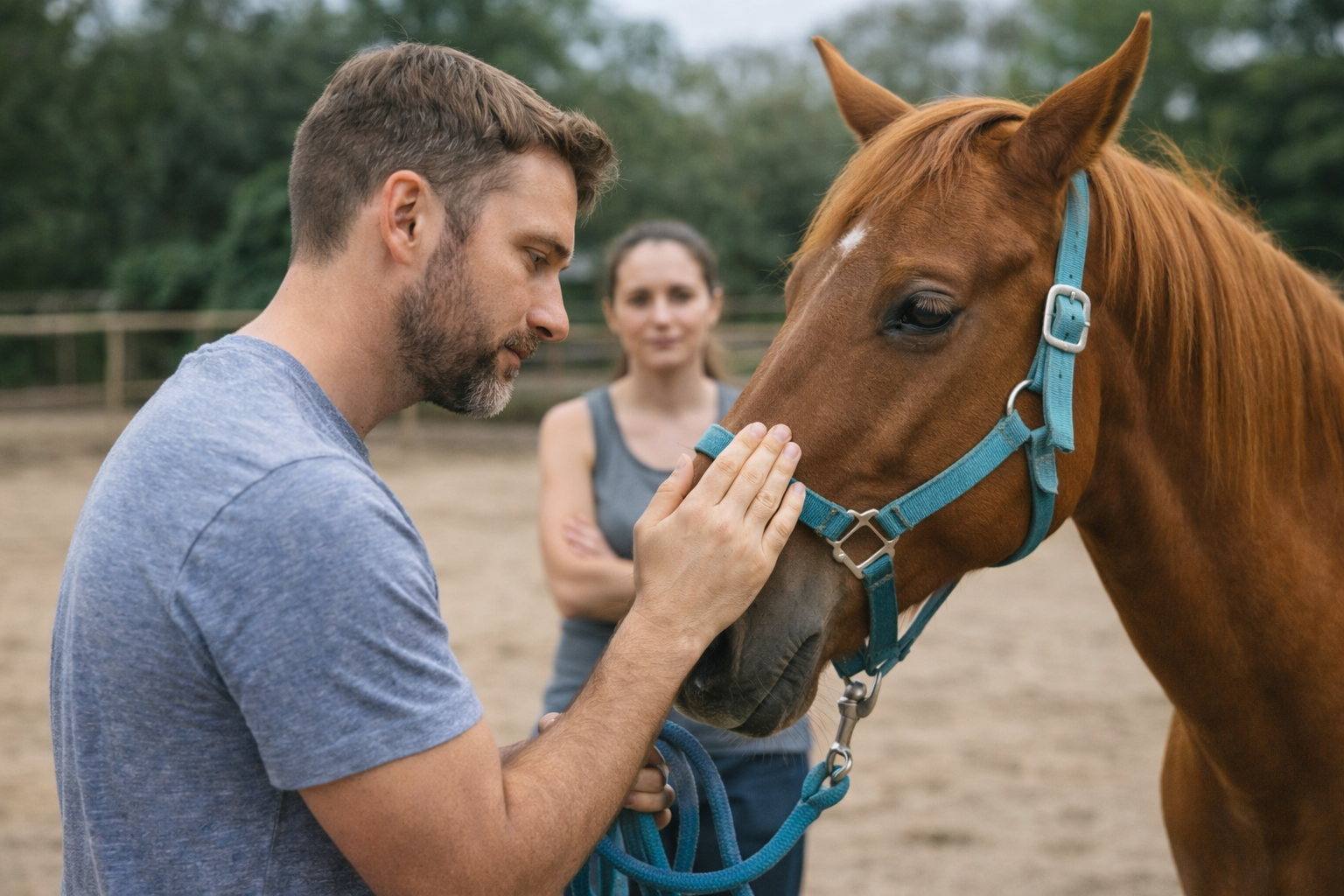
Equine-assisted therapy engages clients physically and emotionally in ways that go beyond traditional talk therapy.
Horses act as a mirror to human emotions, providing immediate, honest feedback that supports self-awareness and behaviour change.
Working with horses helps individuals learn emotional regulation, calm nervous system responses, and reduce stress.
The non-judgmental nature of horse interactions supports trust-building and healthier boundary-setting.
Equine therapy complements traditional addiction and trauma treatments by developing resilience and coping skills.
Why Horses? The Science behind the Silent Mirror
A horse weighs over 500 kilograms. It is strong, alert, and biologically wired for survival.
Yet despite their size, horses are highly sensitive prey animals. Their nervous systems are finely tuned to detect subtle shifts in their environment—including changes in human posture, breathing, muscle tension, and emotional regulation.
This sensitivity is the foundation of equine therapy.
Horses don’t respond to what you say.
They respond to how regulated—or dysregulated—you are.
This creates what clinicians often describe as a “living mirror”: the horse reflects a person’s internal state back to them in real time.
Tension in the body often results in distance or resistance from the horse
Calm, grounded presence invites connection and cooperation
Emotional incongruence (saying “I’m fine” while feeling unsafe) is immediately perceived
Unlike humans, horses do not judge, analyse, or intellectualise. They simply respond honestly.
Trauma, Addiction, and the Nervous System
To understand why equine therapy is so effective, it helps to understand trauma and addiction at a physiological level.
Both PTSD and addiction involve nervous system dysregulation.
Common patterns include:
Chronic hypervigilance
Difficulty feeling safe in the body
Emotional numbing or shutdown
Impulsive or compulsive behaviour
Over-reliance on substances to regulate internal states
In many cases, these patterns developed as adaptive survival responses. The body learned to stay alert, protected, or soothed through external means.
The challenge is that traditional talk therapy operates primarily through the cognitive brain—while trauma and addiction live largely in the somatic (body-based) nervous system.
Equine therapy bridges this gap.
The Living Mirror Effect: How Horses Reflect Internal States
Horses are constantly scanning for safety. When a human enters their space, they unconsciously ask one question:
“Is this nervous system regulated?”
If the answer is no, the horse responds accordingly—by moving away, becoming restless, or refusing engagement. If the answer is yes, connection becomes possible.
This creates immediate, embodied feedback.
Guests often experience:
Awareness of how stress lives in their body
Insight into how their emotions affect others
A felt sense of regulation rather than an intellectual one
Real-time practice in grounding and presence
Crucially, the horse’s response cannot be forced.
This makes equine therapy especially powerful for individuals who:
Struggle with control or perfectionism
Distrust verbal reassurance
Feel disconnected from their emotions
Have had authority-based therapy experiences that felt unsafe
The horse offers feedback without power dynamics.
Why Equine Therapy Works for PTSD
PTSD is not just a memory disorder. It is a physiological imprint.
Traumatic experiences teach the nervous system to stay prepared for threat—even in safe environments. Horses, as prey animals, understand threat detection intimately.
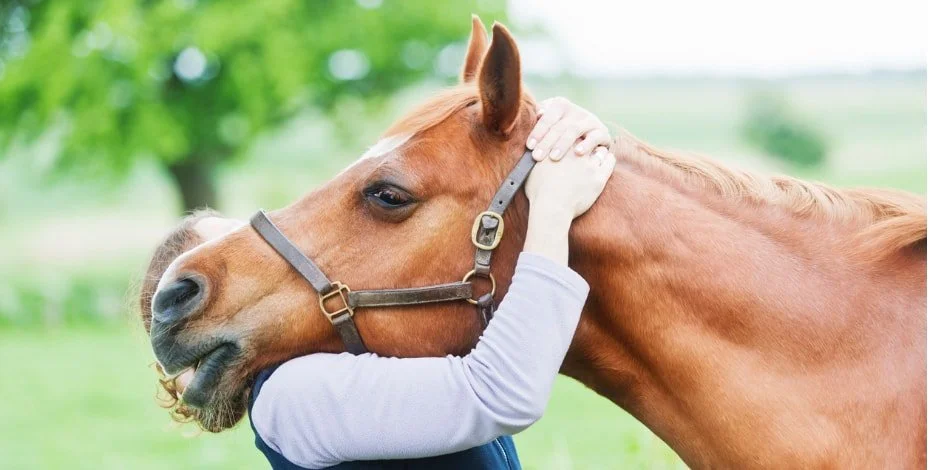
When working with horses:
Clients learn to regulate their breath and posture to create safety
The body experiences calm through connection, not explanation
Trust is built through consistency, not words
Over time, this supports:
Downregulation of the stress response
Increased body awareness and emotional tolerance
Restoration of agency and choice
For trauma survivors, this kind of non-verbal attunement can feel safer than traditional therapeutic dialogue—especially early in recovery.
This is why horse therapy for trauma is increasingly recognised as a valuable adjunct to evidence-based treatment.
Equine Therapy and Addiction Recovery
Addiction often functions as a self-regulation strategy. Substances temporarily shift mood, energy, or emotional pain when internal regulation feels inaccessible.
Equine therapy helps guests develop internal regulation skills instead.
Through guided interaction, clients practice:
Staying present without numbing
Noticing cravings or impulses as body sensations
Regulating emotional intensity through breath and grounding
Experiencing connection without substances
Because horses respond immediately to dysregulation, guests learn:
How quickly stress escalates in the body
How subtle shifts in awareness create change
That calm is something they can generate—not consume
This makes equine therapy particularly effective as part of alternative addiction therapies in Australia, where integration—not replacement—of clinical care is the goal.
Why Equine Therapy Helps When Talk Therapy Feels Difficult
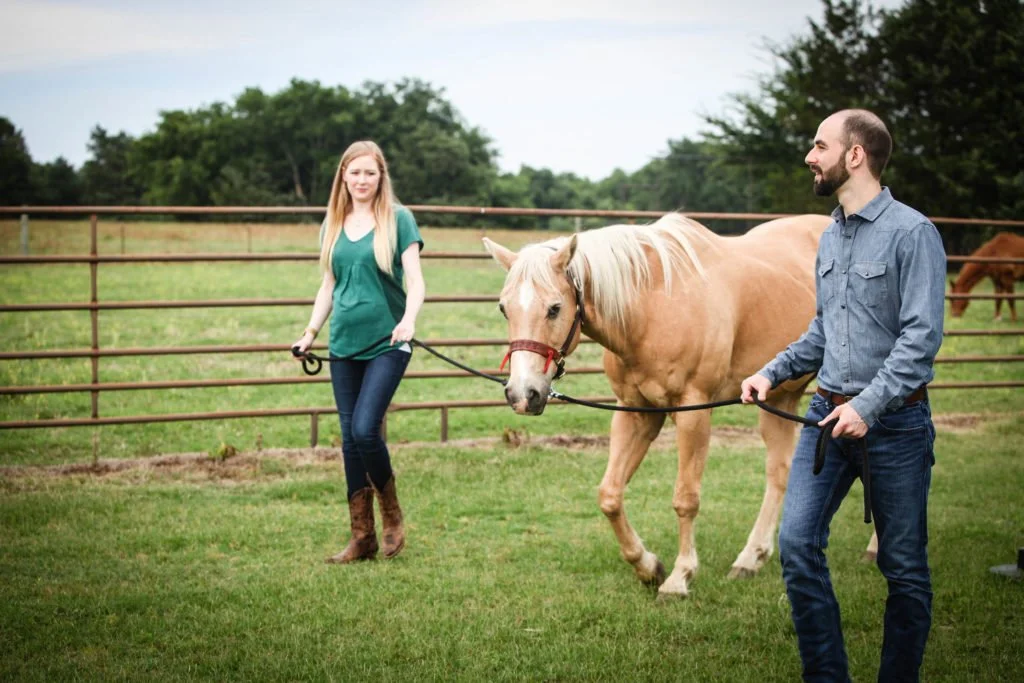
Not everyone finds healing through conversation.
Some guests:
Struggle to articulate emotions
Feel overwhelmed by introspection
Have intellectualised their trauma without resolution
Associate talking with past invalidation
Equine therapy offers a different entry point.
Benefits include:
Reduced pressure to “say the right thing”
Learning through experience rather than explanation
Building trust before verbal disclosure
Engaging the body as an ally, not an obstacle
At Savasana Private, equine therapy often complements psychological therapy—creating insight that later becomes easier to verbalise.
Equine Therapy at Savasana Private
Savasana Private’s approach to equine therapy is intentional, structured, and clinically informed.
Sessions are:
Facilitated by trained professionals
Integrated into a broader treatment framework
Focused on safety, consent, and nervous system awareness
Tailored to trauma and addiction recovery needs
Importantly, no prior experience with horses is required. Guests are never asked to ride or perform. The work happens on the ground—through observation, proximity, and interaction.
For those seeking equine therapy in Sydney, Savasana Private offers a setting where privacy, professionalism, and therapeutic integrity are prioritised.
Why This Matters in 2026
As understanding of trauma and addiction evolves, so does the demand for therapies that go beyond conversation.
Educated clients are increasingly seeking:
Somatic and experiential therapies
Nervous system–based approaches
Integrated, evidence-informed care
Alternatives that still meet clinical standards
Equine therapy sits at the intersection of these needs—making it a powerful discovery point for people exploring recovery options.
Conclusion
A horse does not analyse your past.
It does not care about your diagnosis.
It responds only to what is happening now.
That is its power.
Through the silent mirror of equine therapy, guests at Savasana Private learn to recognise their internal states, regulate their nervous systems, and reconnect with themselves—without force, judgement, or words.
For those navigating PTSD, addiction, or emotional disconnection, this experience can be transformative.
Because sometimes, the most honest feedback doesn’t come from another human.
It comes from a 500kg animal that simply reflects what it feels.